NASA Crew-13 Reaches Orbit: Docking Time, Crew and What Happens Next
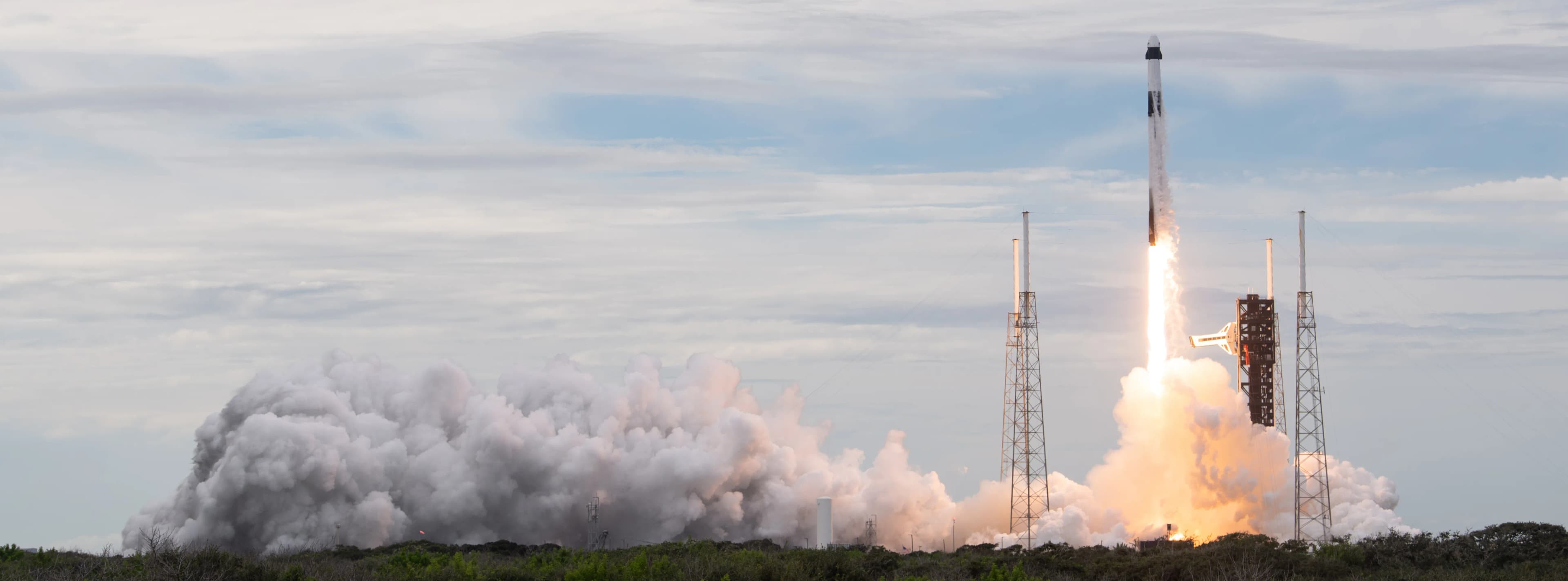
NASA’s SpaceX Crew-13 mission is safely in orbit and headed for the International Space Station. NASA’s post-launch update says the Dragon spacecraft carrying Jessica Watkins, Luke Delaney, Joshua Kutryk and Sergey Teteryatnikov reached orbit, separated from the Falcon 9 second stage and opened its nosecone. The mission has therefore moved beyond the launch phase into rendezvous operations.
The next major milestone is docking. NASA currently targets about 7 p.m. EDT on October 1 at the space-facing port of the station’s Harmony module. The agency says Crew-13 will spend just under eight hours phasing in orbit before arrival, a profile that would make this the fastest launch-to-docking trip in International Space Station history if completed as planned.
Crew-13 is in orbit: what is confirmed?
The most important change since the morning countdown is that launch is no longer uncertain. NASA confirms Dragon is in orbit and that spacecraft separation has occurred. The nosecone has also opened, a required step before the later approach and docking sequence. Those are completed milestones, not estimates.
NASA’s current page also identifies all four people on board: NASA astronauts Jessica Watkins and Luke Delaney, Canadian Space Agency astronaut Joshua Kutryk, and Roscosmos cosmonaut Sergey Teteryatnikov. Spaceflight Now’s mission coverage independently tracked the same four-person crew from Cape Canaveral and described the flight as a roughly eight-hour trip to the station.
When is Crew-13 expected to dock?
NASA’s current target is about 7 p.m. EDT. Dragon is expected to dock to the space-facing port of Harmony after completing its orbital phasing and rendezvous sequence. Because the spacecraft is already in orbit, the remaining schedule depends on how the real flight profile develops rather than on prelaunch weather or countdown conditions.
The 7 p.m. time should still be treated as a target, not as a guaranteed minute. Spacecraft approach operations can shift as controllers refine the rendezvous. NASA’s page is the best source for the latest operational status because it is being updated during the mission.
Why is the Crew-13 transit unusually fast?
NASA says Crew-13 will spend just under eight hours traveling from launch toward docking. If the profile is completed as planned, the agency says it will be the fastest launch-to-docking journey in International Space Station history. Spaceflight Now likewise described the planned transit as about eight hours and the shortest yet for a Dragon spacecraft.
A rapid rendezvous does not mean Dragon simply flies straight to the station. The spacecraft still has to phase its orbit, approach the station in a controlled sequence and complete the required checks before docking. The shorter schedule comes from launch timing and orbital geometry that allow those steps to be completed more quickly than on many previous crew rotations.
That distinction is useful for readers following the mission live. The record is not “fastest launch” or “fastest rocket”; it concerns the elapsed journey from launch to station docking. Until docking is actually complete, it remains a planned record rather than a finished one.
Who is flying on Crew-13?
The crew is led by NASA astronaut Jessica Watkins. Spaceflight Now reports that Crew-13 is her second trip to space after Crew-4 in 2022 and that she is set to become the first NASA astronaut to fly twice aboard a SpaceX Dragon spacecraft. NASA astronaut Luke Delaney is flying alongside her after a career that included work as a test and research pilot.
Canadian Space Agency astronaut Joshua Kutryk and Roscosmos cosmonaut Sergey Teteryatnikov complete the four-person crew. Spaceflight Now describes the mission as a six-month expedition to the International Space Station, giving the crew a long-duration assignment rather than a short visit.
What happens after orbit insertion?
Reaching orbit is a major milestone, but it is not the end of the trip. Dragon now has to continue phasing toward the International Space Station, perform approach and rendezvous operations, and then dock with Harmony. Only after docking is complete can pressure checks and hatch-opening procedures begin.
That is why CurrentBeam is keeping the status language precise: launch and safe orbit are confirmed; docking is still upcoming. Any report that already describes Crew-13 as docked would be ahead of NASA’s latest confirmed status at the time of this update.
How to follow the next Crew-13 milestone
NASA’s orbit update says mission activities can be followed through the International Space Station blog. For a time-sensitive flight like this one, that live operational source should take priority over old prelaunch schedules, screenshots or social posts if a time changes.
The next item to watch is the docking milestone around 7 p.m. EDT. If Dragon docks on the planned rapid profile, the mission will move from an unusually short transit into the station-arrival phase. If the target shifts, the article should be updated to reflect the actual docking time rather than leaving the pre-docking estimate in place.
CurrentBeam uses AI-assisted research and drafting. Our editorial guidelines explain our sourcing, review process, and how to request corrections. Editorial guidelines
Help improve this article
Found an error or missing context? Send the article link and supporting source to our editorial team.
Email a correction